
Plastic To Fuel
Plastic Waste to Fuel Production for Sustainable Waste Management
Carbon Revolve Plastic Energy Project
Khulna Metropolitan City is experiencing a continuous increase in plastic waste generation due
to rapid urbanization, population growth, and the widespread use of single-use plastics. Limitations in the existing solid waste management system have resulted in a significant amount of plastic waste being improperly disposed of in drains, canals, rivers, and open spaces.
This has contributed to waterlogging, environmental pollution, public health risks, and the degradation of aquatic ecosystems. Various studies and reports indicate that inadequate collection and recycling systems often lead to the accumulation of plastic and other solid waste in drainage networks, exacerbating urban flooding during the monsoon season.
Project Phase
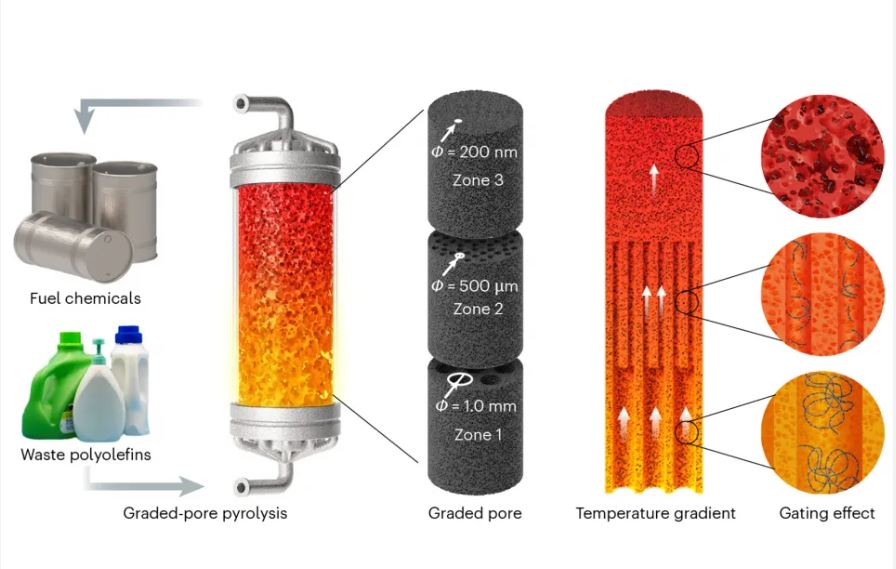
Phase 1: Research, Technology Validation, and Prototype Development (6 Months)
Phase 2: Mini Commercial Demonstration and Operational Validation (5 Years)
Background and Problem Statement
Bangladesh generates a rapidly increasing volume of plastic waste every year. A significant portion of this waste remains uncollected or unrecycled due to technical, financial, and infrastructural limitations. Consequently, plastic waste accumulates in rivers, canals, agricultural fields, drainage systems, and open environments, causing severe environmental pollution, biodiversity loss, and public health risks. Simultaneously, Bangladesh continues to experience increasing demand for affordable
alternative energy sources, particularly within the agricultural sector.
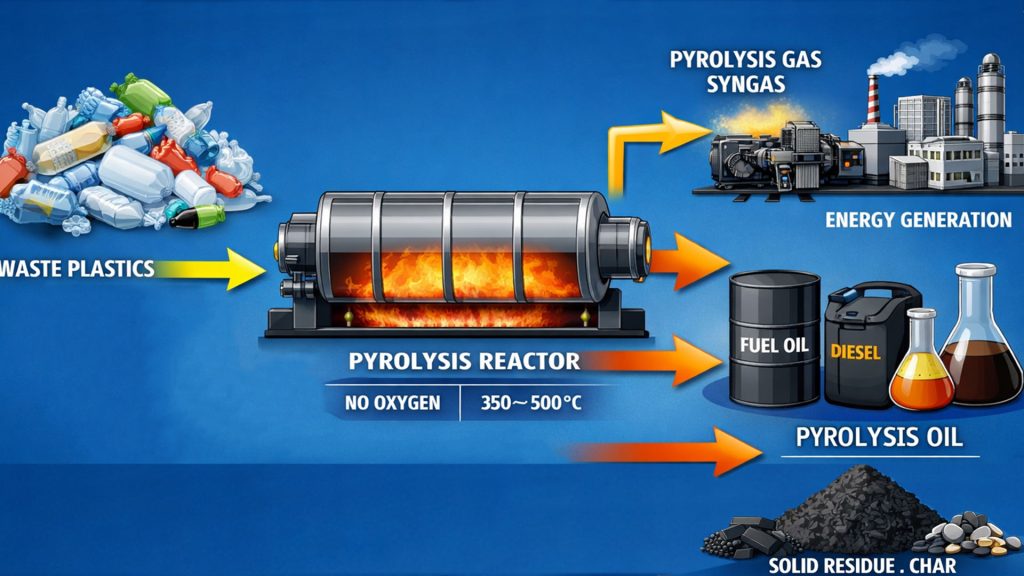
Globally, Pyrolysis Technology has gained recognition as an effective thermochemical process capable of converting selected plastic polymers into liquid fuel under oxygen-free conditions.
This project seeks to establish a scientifically validated pilot model in the Khulna region that can demonstrate the technical viability, environmental sustainability, and commercial scalability of
plastic-to-fuel conversion.
Current Challenges
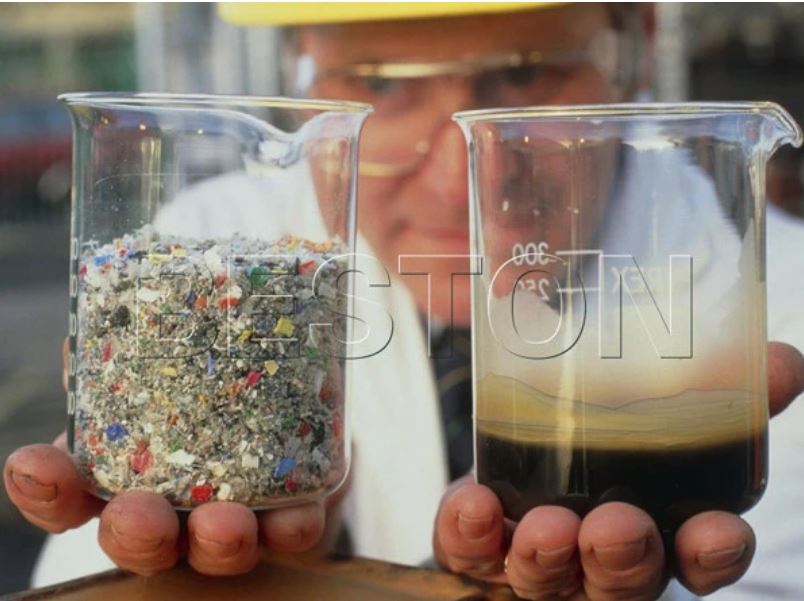
- Rapid growth of plastic waste generation.
- Limited recycling opportunities for low-value plastics.
- Open burning of plastic waste leading to severe air pollution.
- Plastic pollution damaging rivers, wetlands, drainage systems, and ecosystems.
- Increasing demand for alternative energy sources.
- Limited investment in local research and technology innovation.
Project Objectives
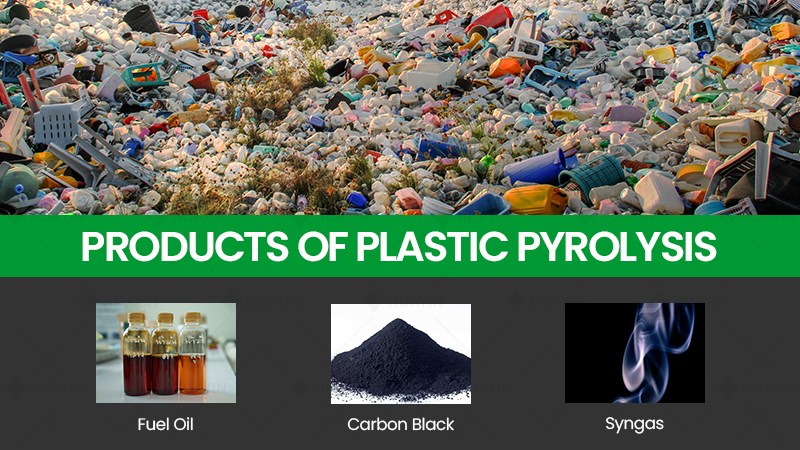
Evaluate the technical feasibility of producing liquid fuel from plastic waste using pyrolysis technology.
Assess the fuel production potential of Polypropylene (PP), High-Density Polyethylene (HDPE), Low-Density Polyethylene (LDPE), Polystyrene (PS), Mixed Polyolefins (HDPE + LDPE +PP).
Conduct laboratory analysis to evaluate the physical and chemical properties of the
produced fuel.
Assess environmental impacts and atmospheric emissions associated with the pyrolysis process.
Evaluate the technical and financial feasibility of establishing a Mini Commercial Demonstration Plant.
Establish collaborative partnerships among government agencies, universities, research
institutions, and development partners.
Phase 1
Research & Technology Validation and Prototype Development
Duration: 6 Months
Project Location
Main Bypass Road, Aronghata, Khulna, Bangladesh
Project Implementation Plan
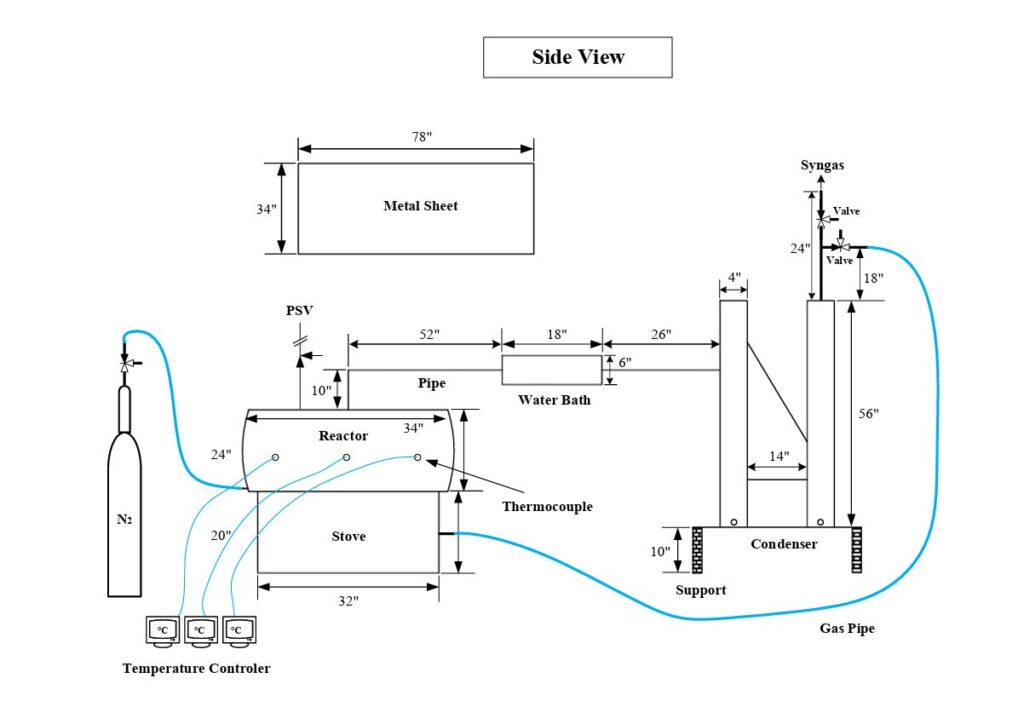
The primary goal of Phase 1 is to validate a scientifically sound, sustainable prototype for
converting plastic waste into alternative liquid fuel through research-driven innovation. Specific objectives include testing the technical feasibility of processing 50 kg/day of PP and PET plastics using advanced pyrolysis technology. Conducting laboratory analyses at KUET to certify fuel quality and collaborating with the DoE to assess emissions for strict environmental compliance. Ultimately, this phase establishes the techno-economic viability required to transition into a commercial demonstration plant.
Key Activities Phase 1: Milestone Roadmap, Responsibilities & Timeline (August 2025 – January 2026)
| Key Activities & Operational Milestones | Timeline | Lead & Co-Lead Responsibility | Technical Partner's Strategic Role & Contributions |
|---|---|---|---|
| Project Kick-off Alignment & Stakeholder Workshop | August 2025 | Carbon Revolve | KUET, KCC & DoE: Provide strategic inputs regarding technical, municipal, and environmental standards. |
| Module Development & Pyrolysis System Engineering | Aug – Sept 2025 | KUET (Technical Lead) and Carbon Revolve |
KUET: Faculty oversight for designing the oxygen-free thermochemical reactor system. |
| Waste Sourcing & Supply Chain Optimization | September 2025 | KCC & Carbon Revolve |
KCC: Streamlining municipal collection to guarantee consistent delivery of sorted, high-yield plastic waste. |
| Prototype Fabrication & Filtration Technology Assembly | Sept – Oct 2025 | Carbon Revolve and KUET |
KUET: Perform structural engineering audits, safety checks, and filtration optimization on the built prototype. |
| Pilot Processing & Efficiency Benchmarking (Processing 50 kg/day of plastic inputs) |
Oct – Nov 2025 | Carbon Revolve and KUET |
KUET: Monitor thermochemical breakdown rates and optimize reactor temperature controls in a real-time environment. |
| Laboratory Testing & Certified Fuel Quality Analysis | November 2025 | KUET (Lead Analyst) | KUET: Conduct gas chromatography and mass spectrometry to certify flashpoints, viscosity, and octane/diesel fuel equivalents. |
| Environmental Impact & Atmospheric Emission Assessment | Nov – Dec 2025 | DoE (Regulatory Lead) Carbon Revolve (Co-lead) |
DoE: Set up environmental monitoring metrics, evaluate exhaust gases, and verify regulatory emission compliance. |
| Techno-Economic Feasibility & Mini-Commercial Modeling | December 2025 | Carbon Revolve and KUET & KCC (Advisory) |
KUET & KCC: Assess supply chain cost-efficiencies and validate alternative fuel affordability frameworks for local farmers. |
| Phase 1 Review Meeting & Multilateral Stakeholder Presentation | January 2026 | Carbon Revolve (Overall Coordinator) |
KUET, KCC & DoE: Jointly evaluate research findings and endorse the transition to a utility-scale commercial framework. |
| Compilation & Submission of Final Comprehensive Research Report | January 2026 | Carbon Revolve & KUET | DoE & KCC: Officially record the successful validation of Phase 1 and approve the bankable circular economy business model. |
Phase 2
Project Type: Mini Commercial Demonstration
Duration: 5 Years
Key Activities
- Installation of an advanced pyrolysis plant
- Processing capacity of approximately 1 metric ton/day of plastic waste
- Commercial-scale fuel production
- Operational model optimization
- Carbon emission reduction assessment
- Preparation for future industrial-scale expansion
Key Monitoring Framework
Technology Validation & Prototype Engineering
- Successful assembly of 50 kg/day metal-drum reactor.
- Completion of multi-stage fuel filtration module.
Fuel Quality Testing & Emission Certification
- KUET lab certification of fuel grades.
- DoE sign-off on atmospheric emission tests.
Techno-Economic Feasibility Modeling
- Completion of comprehensive Phase 1 research report.
- Validation of supply chain cost structures.
Utility-Scale Plant Construction & Operations
Municipal Waste Supply Chain Integration
- Formal volume-based agreements implemented with KCC.
- Establishment of localized community waste sorting hubs.
Market Distribution & Scaling
- Total volume of alternative fuel sold to end-users.
- Active size of the consumer distribution network.
Expected Outcomes
Validation & Feasibility
Phase 1 Short-Term Outcomes
Scale-Up & Circular Economy
Phase 2 Long-Term Outcomes